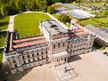
 Schloss Ludwigslust
Schloss Ludwigslust
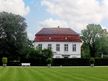
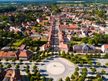
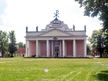
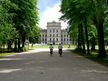
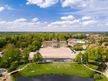
Das ehemalige Residenzschloss der mecklenburgischen Herzöge wurde 1772 bis 1776 von J. J. Busch erbaut. Es entstand unmittelbar hinter dem alten Jagdschloss, das der Herzog nach der Fertigstellung seines neuen Domizils abtragen ließ. Das Schloss ist der Mittelpunkt einer noch heute vollständig erhaltenen barocken Stadtanlage und diente Herzog Friedrich und Großherzog Friedrich Franz I. bis 1837 als Hauptresidenz.
Prachtvoll anzuschauen ist im Mitteltrakt des Schlosses der Goldene Saal, der sich über zwei Stockwerke erstreckt und dessen große Fenster, Spiegel und Kristalllüster höfischen Glanz erstrahlen lassen. Die vergoldeten Dekorationen, die Wände, Decken und Türen verzieren, sind Produkte der ehemaligen herzoglichen Karton-Fabrik zu Ludwigslust.
Im Schlossmuseum erhält man einen anschaulichen Einblick in die höfische Kunst und Wohnkultur des 18./19. Jahrhunderts. Ein Kabinett mit Miniaturen, kostbare Jagd- und Prunkwaffen, kunstvolle Möbel sowie die Werke des französischen Hofmalers Jean Baptiste Oudry künden von der Sammelleidenschaft der mecklenburgischen Herzöge.
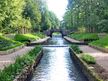
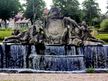
Im früheren Jagdsaal des Herzogs befindet sich heute das Schlosscafé mit seinem einmaligen Ambiente. Außerdem ist der Ludwigsluster Schlosspark mit seinen Wasserspielen, Gartenarchitekturen und dendrologischen Besonderheiten einer der schönsten im Norden Deutschlands, in dem alljährlich mit dem "Kleinen Fest im großen Park" ein attraktives Kleinkunstfest stattfindet und der Schauplatz von Barocktagen ist.
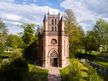
Auch die Musik der einstigen Hofkomponisten wird bei Sommerkonzerten im Goldenen Saal und in der Kirche lebendig gehalten.