-
Nationalpark Vorpommersche Boddenlandschaft
-
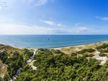
Luftbild Pramort und Darß im Mai | © Lutz Storm
-
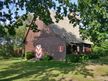
Wald am Darßer Ort | © Lutz Storm
-
Weg durch die Kernzone | © Lucia Zust
-
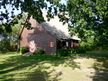
Totholz im Nationalpark | © Jens Bassek
-
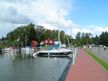
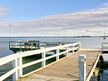
Boddenufer im Nationalpark | © Katrin Bärwald


Nationalpark Vorpommersche Boddenlandschaft
Geschützte Landschaft im Nordosten
Der Nationalpark Vorpommersche Boddenlandschaft wurde im Zuge des Nationalparkprogramms der DDR am 1. Oktober 1990 ausgewiesen. Mit knapp 800 Quadratkilometern Fläche ist er der größte Nationalpark des Landes Mecklenburg-Vorpommern und der drittgrößte in Deutschland.
Ungefähr die Hälfte der Fläche des Nationalparks ist offene Ostsee und ein weiteres Viertel Teile der Darß-Zingster Boddenkette. Er erstreckt sich von der Westküste der Halbinsel Darß über die Insel Hiddensee bis zur Westküste von Rügen. Geschützt werden damit vor allem die Flachwassergebiete der Ostsee sowie die Waldgebiete wie der Darßwald. Im Herbst wird das Gebiet Rastplatz von Abertausenden Kranichen, die sich hier zu ihrem Flug gen Süd versammeln. Sie finden in den Windwatten, die durch windbedingte Wasserstandsschwankungen entstehen, reiche Nahrung.
Zur Tierwelt des Nationalparks gehören neben Kegelrobben, Seehunden und Fischottern gelegentlich auch Schweinswale. Auf den Landflächen gibt es hauptsächlich Dam- und Rothirsche, Rehe und Wildschweine sowie zahlreiche Kleinsäuger wie die Zwergmaus. Im Bereich des Nationalparks brüten über 160 Vogelarten, darunter die eher seltene Uferschnepfe. Die Boddengewässer bieten fast 50 Fischarten Heimstatt. Zu den bemerkenswerten Pflanzen gehören Farne und Samenpflanzen, Moose und Flechten sowie Wacholder.
Besonderheiten
Empfehlungen

Pramort
Der Pramort oder Pramer Ort ist der östlicheste Zipfel der Halbinsel Zingst und befindet sich am Rande der Sundischen Wiesen.
Hohe Düne - Pramort
Die Hohe Düne liegt nördlich von Pramort an der östlichen Spitze der Halbinsel Zingst. Sie ist das größte unbewaldete Dünenfeld an der Ostseeküste, das bis zu zwölf Meter hoch ist.
Sundische Wiesen
Die Sundischen Wiesen sind heute Teil des Nationalparks Vorpommersche Boddenlandschaft und bilden mit dem Pramort den Ostteil der Halbinsel Zingst.
Leuchtturm Darßer Ort
Der 1849 in Betrieb genommene Leuchtturm Darßer Ort ist 35 Meter hoch und liegt an der Nordwestspitze der Halbinsel Fischland-Darß-Zingst. Seit 1995 ist er wieder für den Besucherverkehr zugänglich.
Darßer Urwald
Der Darßwald ist ein zum Nationalpark Vorpommersche Boddenlandschaft gehörendes Waldgebiet am Weststrand der Halbinsel Darß, in dem keine Siedlungen liegen.
Darßer Weststrand
Der Weststrand auf der Halbinsel Fischland-Darß-Zingst bietet auf etwa 14 Kilometer Länge einen feinen Sandstrand in Verbindung mit der natürlichen Belassenheit einer urwüchsigen Küstenlandschaft.